
This project focuses on establishing a core framework and evidence base about tāngata whaikaha Māori (Māori with lived experience of disability) and their whānau in Aotearoa New Zealand. Working with Te Ao Mārama Aotearoa, iNZight is conducting a stocktake of existing disability data across government surveys, administrative datasets, and academic research, and using this to identify gaps, key issues, and priorities for the future. iNZight is also developing a series of recommendations to strengthen data collection in the area and support informed decision-making.
Funded by: Te Ao Mārama Aotearoa
The report from this project is currently being finalised and will be available to download soon.
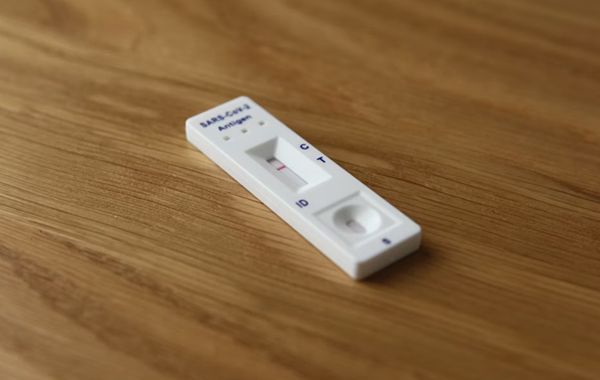
The COVID-19 pandemic highlighted and exacerbated health inequities between Māori and other New Zealanders. These inequities were predicted by early disease outcome modelling, demonstrated after the second outbreak, and inspired a robust equity-driven vaccination prioritisation strategy the Government was slow to adopt. Central Government’s failure to pro-actively focus on preventing inequity has been the subject of two High Court cases and an urgent Treaty of Waitangi hearing: the predicted inequity occurred and is now routinely reported at a national level in Crown health data.
Alongside the National Hauora Coalition, iNZight Analytics has produced a number of reports on the use of Crown data to improve COVID-19 outcomes for Māori.
Initial report commissioned by: National Hauora Coalition
Additional resourcing from: iNZight Analytics
The initial report from focused on using Crown data to highlight potential focuses of Crown action to improve COVID-19 outcomes for Māori. We put a Te Tiriti lens on the available data to also provide information on how policy amenable factors relate to COVID-19 outcomes, with the aim of identifying potential policy targets that could reduce future health inequities faced by Māori. The report begins with a demonstration of the inequity between Māori/non-Māori and the association of these inequities with area-based social deprivation as measured by the NZ Deprivation Index. However, the intent of was report is to highlight government policy targets, so we then examine whether household and individual factors are associated with good or poor outcomes for Māori specifically.
This report used data in the Stats NZ Integrated Data Infrastructure (IDI) to quantify and examine inequities with respect to four COVID-19 outcomes: testing positive, hospitalisations, deaths, and vaccination status. This involve dall the available data in the IDI for the entire duration of the pandemic in Aotearoa (as at October 2023) that can be linked at an individual level. This was the first time such a comprehensive analysis of COVID-19 inequity for Māori has been done in Aotearoa. This report is not available to the public.
A technical report of the methods used for this work was later published by iNZight Analytics: More than just living in a deprived area: an equity-focused analysis of policy amenable factors associated with Māori COVID-19 outcomes. This is available for download in the links section.

iNZight is heavily involved with the Te Ao Mārama: Māori Health, Wellbeing & Social Survey Panel. Tom Elliott, Lara Greaves, and Andrew Sporle are current members of the Te Ao Mārama team, which works on a variety of projects primarily in the disability space.
Hosted by: Te Ao Mārama Aotearoa Trust
From Te Ao Mārama: Te Ao Mārama is a Māori-led, Māori-governed national research infrastructure designed to strengthen Māori knowledge, wellbeing, and equity. Our kaupapa is guided by Te Tiriti o Waitangi, kaupapa Māori research values, and tāngata whaikaha Māori data sovereignty. The documents below set out our principles, processes, and ethical framework for how the Panel operates, protects participants, and upholds Māori aspirations.
The iNZight team have contributed to a number of papers with Te Ao Mārama, listed below.

Despite evidence that Māori experience disproportionate rates of disability, there is a lack of accurate, culturally-grounded data on the prevalence and impacts of disability on Māori. This limits understanding of how disability affects Māori health, wellbeing, social inclusion, and economic outcomes, and constrains efforts to address these inequities in policy and disability services.
Funded by: Health Research Council of New Zealand
Hosted by: University of Otago
Led by Bernadette Jones, this project used a Māori-led methodological approach to develop culturally appropriate measures of disability, quantify its prevalence, and examine its impacts on health, wellbeing, social participation, and economic outcomes. It involved a large-scale quantitative survey designed to better understand lived experiences of disability by Māori. The survey explored cultural identity alongside everyday experiences of disability, including the language people use to describe themselves and their limitations.
Got a project idea? Let's work together
Get in touch