
It’s a common aspiration for our children to do better in life than we do. This upward social mobility between one generation and the next benefits not only the families but also the country as a whole. Increasing levels of education, skills and income contribute to a more prosperous economy and a wealthier society. Being able to identify the things that support increased education, skills and income is the first step towards investing in actions that will increase the country’s wealth within a single lifetime.
Funded by: Ministry of Business, Innovation, and Employment
Contract number: ZANAL2501
This research uses New Zealand’s high-quality data resources to look at what things support upward social mobility and what things restrict that mobility. The quality of New Zealand’s data allows this research to look at the national picture as well as focus on specific populations such as Māori and rural communities. The results of this work will help guide investments in policies and programs that create pathways to better economic circumstances for New Zealanders and a more prosperous economy. This work will also support the development of an internationally important research industry based on New Zealand’s world leading data resources.
This project is funded from 2025 - 2028 by the Ministry of Business, Innovation, and Employment Smart Ideas grant. It is led by iNZight Managing Director Andrew Sporle and Senior Researcher Nicole Satherley, in collaboration with Barry Milne and Natalia Boven of the COMPASS Research Centre.
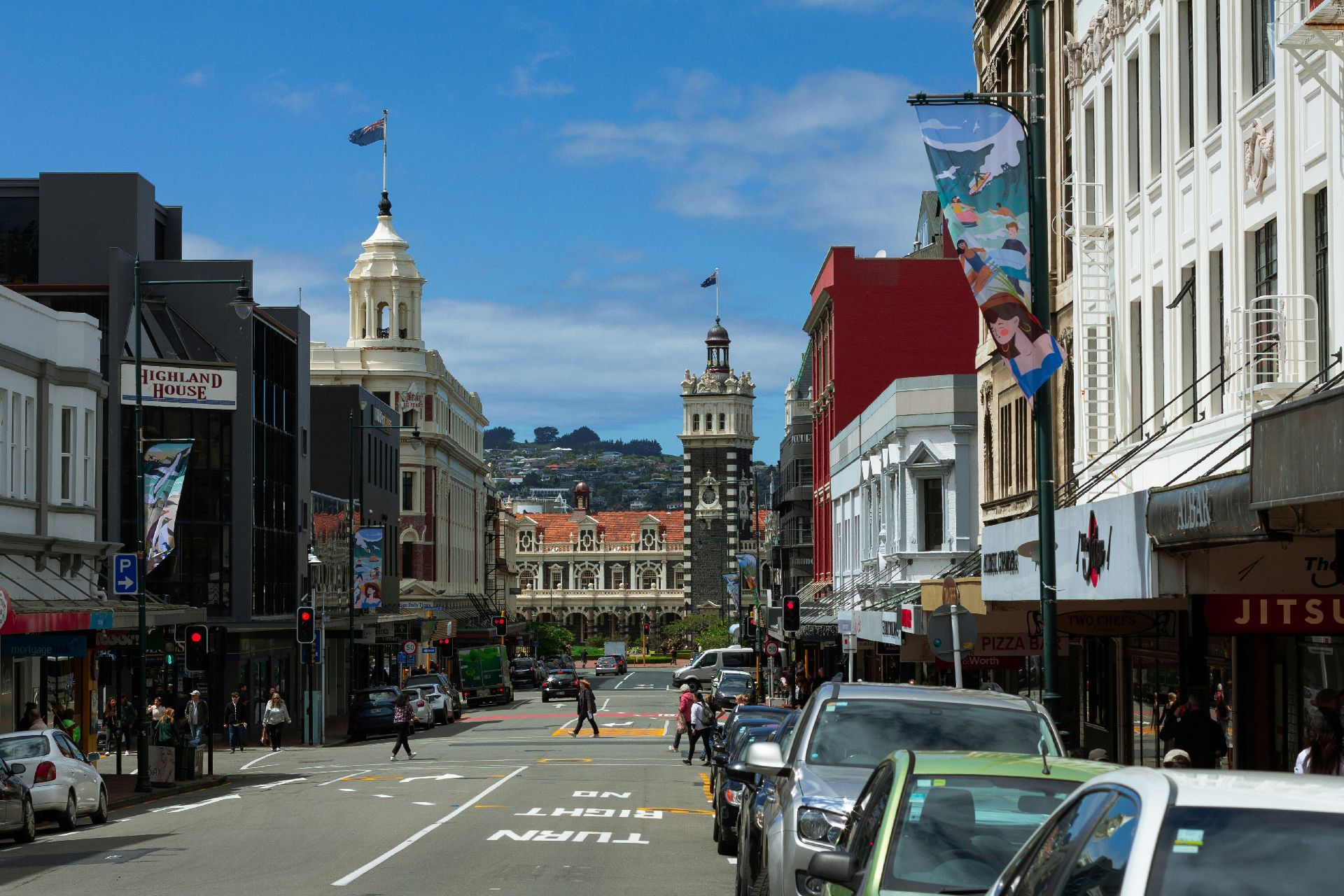
iNZight Analytics assists with data system and analysis design for the ongoing Dunedin Multidisciplinary Health and Development Study, (also known as the the Dunedin Study), and is looking to help extend the study into other research projects both nationally and internationally.
The Dunedin Study is a long-running, multidisciplinary longitudinal study of human health, development, and behaviour, following 1,037 people born in Dunedin, New Zealand in 1972–73 from birth. Based at the University of Otago, it has produced more than 1,300 publications alongside national and international collaborators.
Funded by: The Health Research Council of New Zealand (HRC)
Grant number: 24-690
Hosted by: The University of Otago
From the grant: The Dunedin Study will extend its highly productive longitudinal study of life-course factors affecting the Aging Process, whereby 994 living Study members aged 52 will be re-assessed in 2024-2026. We will examine Māori health, including mental health and treatment inequities, by combining data with the Christchurch Health and Development Study to create the most intensively studied cohort of Māori followed from birth to midlife. We will examine the breadth of chronic conditions and disabilities among Study members to meet the needs of disabled people with their input. We will investigate how the lives (social, psychological, physical) of Study members have changed since the onset of the COVID-19 pandemic. Our research will inform early intervention efforts and new diagnostic tools to support healthy aging. Working with next- and end-users, we will provide robust data to inform the provision of optimised healthcare for people with chronic conditions or disability.
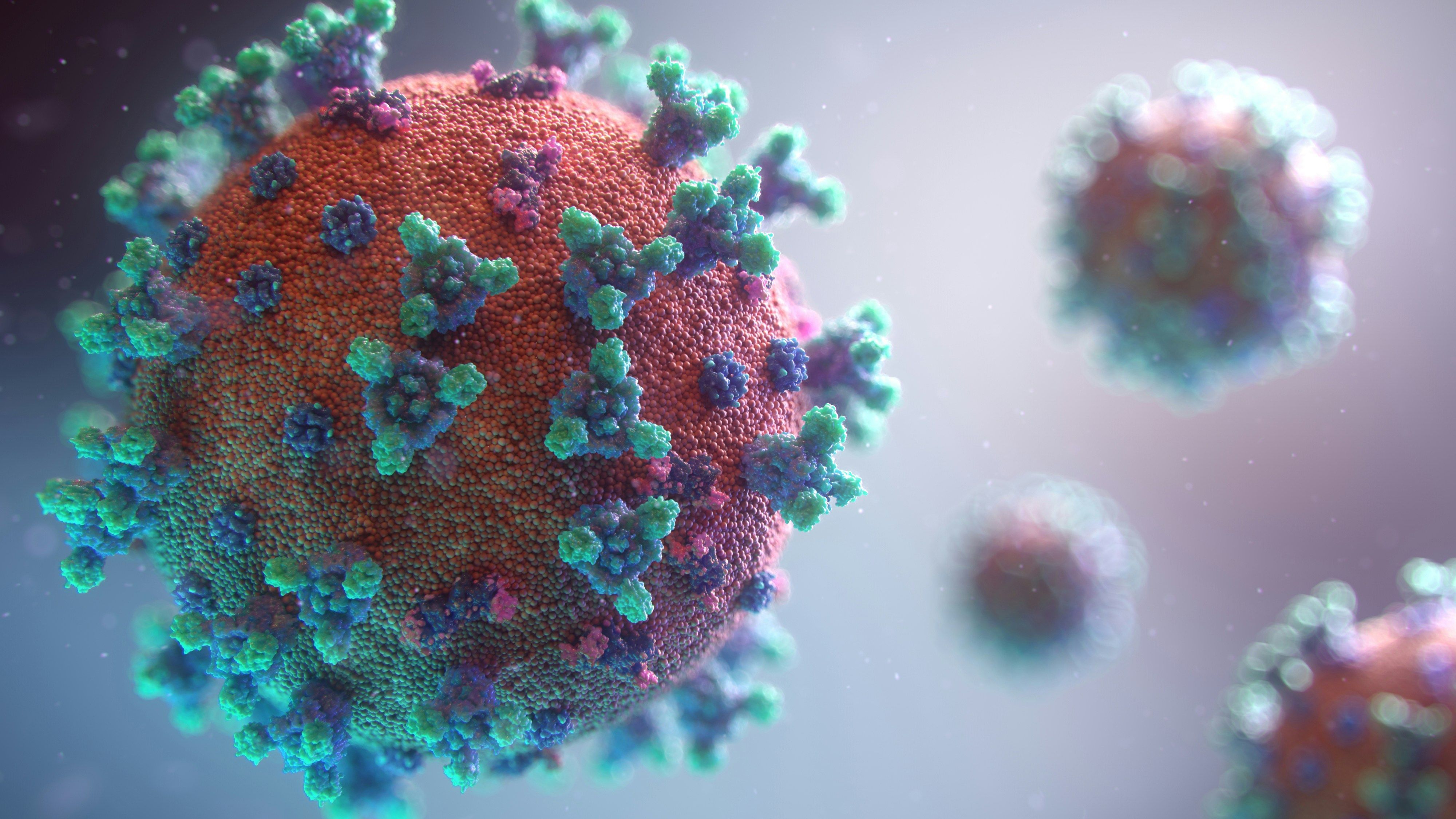
iNZight Analytics is involved in Michael Plank's Marsden Fund research project Robust modelling of inter and intra-ethnic variability in infectious disease outcomes. This project develops infectious disease models that incorporate socioeconomic and population-group differences in New Zealand to better understand and reduce health inequities, informing more equitable responses to future pandemics.
Funded by: Royal Society of New Zealand Te Apārangi
Grant number: 24-UOC-020
From the grant: Mathematical models are an essential tool for understanding and responding to infectious diseases and pandemics. However, models often do a poor job of capturing heterogeneities in epidemic dynamics between different parts of the population, such as different ethnicities. This severely limits their usefulness in understanding why different groups are differentially impacted by infectious diseases, and how to respond. In this project, we will develop new mathematical theory and design novel models that capture time-varying differences in transmission rates between and within different subpopulations. We will validate these models by benchmarking against New Zealand epidemiological data for measles and Covid-19.

iNZight Analytics' Andrew Sporle is a co-principal investigator on the Te Niwha project Improving models for pandemic preparedness and response: modelling differences in infectious disease dynamics and impact by ethnicity, alongside Dr. Samik Datta and Prof. Michael Plank. iNZight team members Nicole Satherley, Tori Diamond, and Ruby Pankhurst are also key personnel on the project.
Funded by: Te Niwha Infectious Disease Research Platform
Hosted by: University of Canterbury
From the grant: The Covid-19 pandemic demonstrated the value of mathematical models for informing policy decisions and the public health response to infectious disease threats. However, a major flaw in many models is that they either overlook or poorly characterise differences in disease burden between population subgroups. In New Zealand, Māori and Pacific populations have disproportionately worse health outcomes from infectious diseases and pandemics, but current cutting-edge models cannot account for the disparity in infectious disease vulnerability in these populations.
Our project will create new modelling methods that account for the diversity of vulnerability within and between populations. We have two research aims:
Aim 1. Develop new mathematical models that can capture differential dynamics of disease transmission within and between population subgroups, such as ethnicity groups or deprivation index. This will enhance understanding of epidemic dynamics by using stratified models to simulate the behaviour of future epidemic events.
Aim 2. Apply and validate these models using recent case studies on differences between ethnicity groups in Aotearoa New Zealand. We will parameterise and validate our models using anonymised age- and ethnicity-specific data, as well as linked health, Census and administrative data from Stats NZ, the Ministry of Health and Te Whatu Ora.

Dr. Tom Elliott is the recipient of a Royal Society Te Apārangi Ngā Puanga Pūtaiao Fellowship, facilitating his work to create open-source data science tools and a state-of-the-art data analytics platform, designed with full te reo Māori capability for use in Māori data environments.
Funded by: Royal Society of New Zealand Te Apārangi
From the Royal Society Te Apārangi: Data has become a crucial resource in modern society, so democratising access to data and the information it contains is a critical role of data science. This involves building and updating data tools and platforms that make it easier for non-technical users to learn about their world.
In Aotearoa, the analytics software ‘iNZight’ has become a core component of not only our statistical education curriculum, but more recently research organisations and government agencies have recognised its value in their own data environments. However, ‘iNZight’ is now facing technical barriers to meeting the increased demands of its users, which presents an opportunity to completely redesign the system for our new and expanding audience. During this redesign, we have the chance to incorporate Māori data sovereignty principles into the core of our framework, ensuring that the platform is suited to diverse Māori data environments.
This project will develop open-source tools for building flexible, data-driven web applications and use them to create a next-generation data analytics platform that rebuilds and extends the existing iNZight software. In partnership with Tūhono Trust, these these tools will be trialled in Māori data environments with te reo Māori capability. It will also provide secure funding to support Dr Elliott’s development as an emerging Māori data science research leader of international significance.

iNZight is heavily involved with the Te Ao Mārama: Māori Health, Wellbeing & Social Survey Panel. Tom Elliott, Lara Greaves, and Andrew Sporle are current members of the Te Ao Mārama team, which works on a variety of projects primarily in the disability space.
Hosted by: Te Ao Mārama Aotearoa Trust
From Te Ao Mārama: Te Ao Mārama is a Māori-led, Māori-governed national research infrastructure designed to strengthen Māori knowledge, wellbeing, and equity. Our kaupapa is guided by Te Tiriti o Waitangi, kaupapa Māori research values, and tāngata whaikaha Māori data sovereignty. The documents below set out our principles, processes, and ethical framework for how the Panel operates, protects participants, and upholds Māori aspirations.
The iNZight team have contributed to a number of papers with Te Ao Mārama, listed below.

This project focuses on establishing a core framework and evidence base about tāngata whaikaha Māori (Māori with lived experience of disability) and their whānau in Aotearoa New Zealand. Working with Te Ao Mārama Aotearoa, iNZight is conducting a stocktake of existing disability data across government surveys, administrative datasets, and academic research, and using this to identify gaps, key issues, and priorities for the future. iNZight is also developing a series of recommendations to strengthen data collection in the area and support informed decision-making.
Funded by: Te Ao Mārama Aotearoa
The report from this project is currently being finalised and will be available to download soon.
Got a project idea? Let's work together
Get in touch